

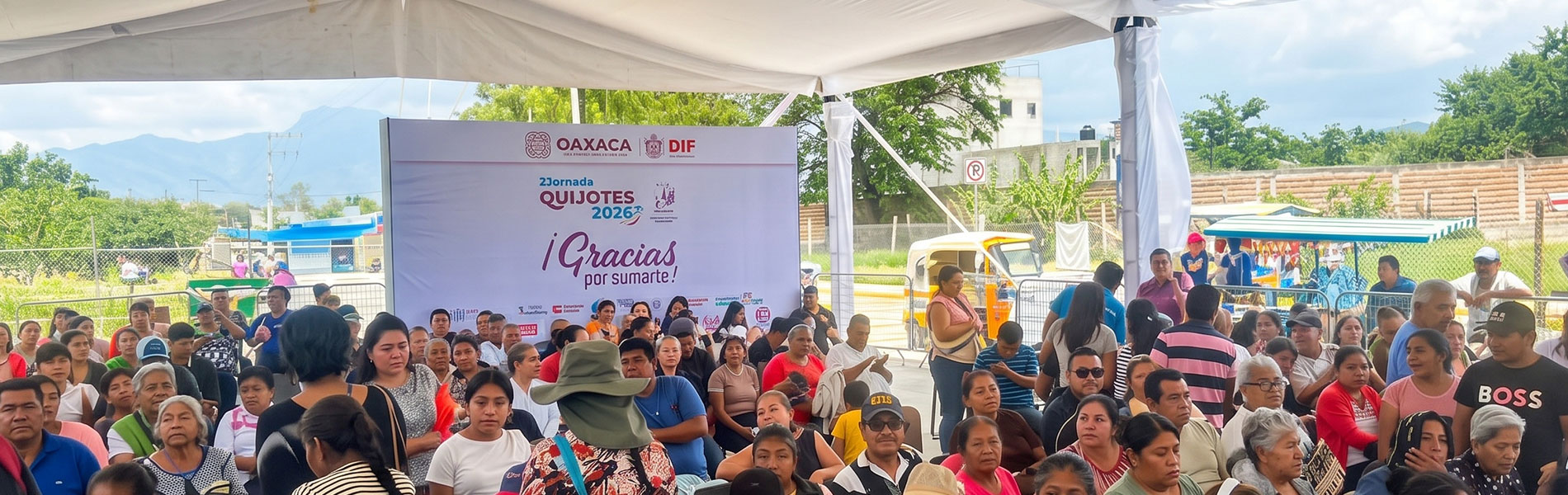
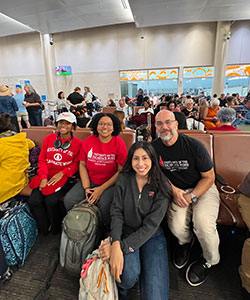
 A delegation of 37 University of the Incarnate Word (UIW) health professions students and faculty joined the Quijotes of San Antonio for their annual medical mission to Oaxaca, Mexico, bringing together service, education and interprofessional collaboration in support of communities with limited access to healthcare. Over five days, the UIW delegation worked alongside healthcare professionals and local partners to provide compassionate multidisciplinary care while experiencing firsthand how culture, resources and social conditions influence health and healthcare delivery.
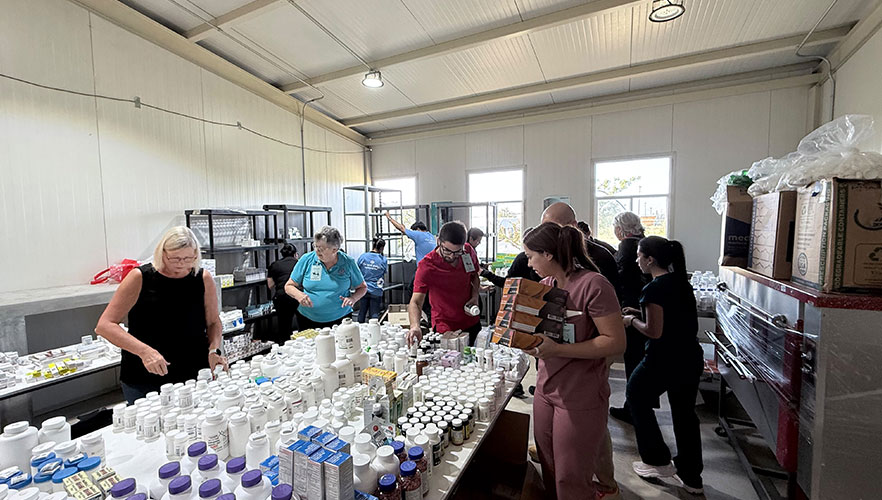
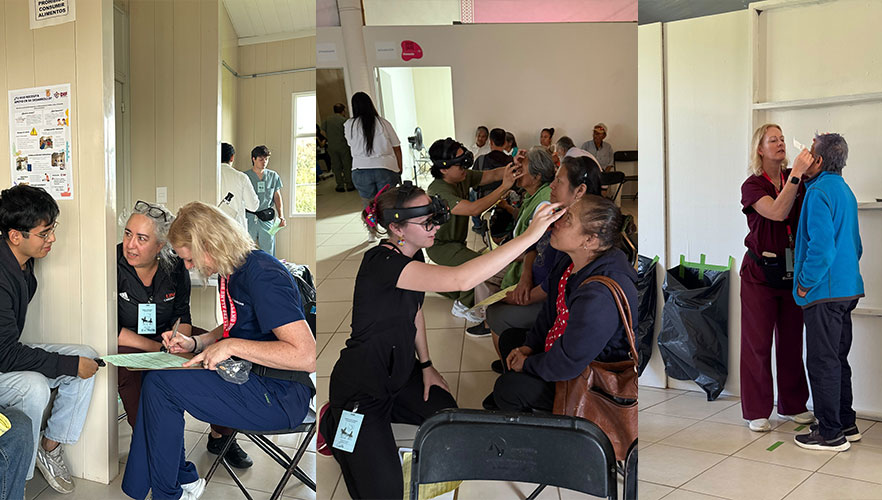
The impact was substantial. The mission served 2,104 registered patients and provided 3,091 specialty consultations across ophthalmology and optometry, family and internal medicine, physical therapy and osteopathic manipulative medicine, dental care, gynecology, pediatrics, nutrition and psychiatry. In addition, the pharmacy team supported 1,063 patient encounters and dispensed 2,027 prescriptions. 722 patients received eyewear assistance including new glasses. 31 cataract surgeries were performed. 640 diagnostic tests and support services were carried out.
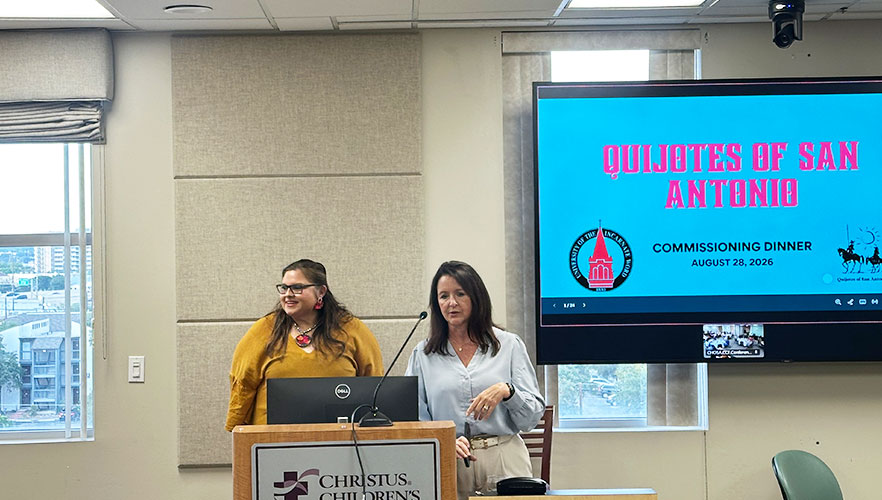
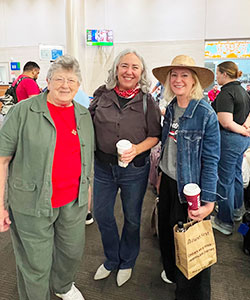 For UIW, however, the journey to Oaxaca began well before the team boarded the plane. It began with a commissioning dinner, important pre-travel instructions for participants and especially served as a forum for UIW, CHRISTUS Santa Rosa Health System and the Sisters of Charity of the Incarnate Word to highlight and reaffirm their shared commitment to preparing healthcare professionals whose practice is grounded in service and compassion.
This year, that interdisciplinary and interorganizational connection took on additional meaning as Rebecca Lee, DNP, CRNA, APRN, FAANA, director of UIW’s brand-new CRNA program, participated in the mission. She assisted with surgical procedures, in collaboration with Ricardo Sepulveda, MD, MBA a member of the Quijotes of San Antonio Board of Directors. The experience provided Lee with firsthand insight into the clinical environment where future Cardinal nurse anesthetist students may one day learn and serve.
That same commitment to formation through service was evident throughout the week. UIW students participated in structured Interprofessional Education and Collaborative Practice (IPECP) experiences. This year, the theme for the IPECP experiences was diabetes, a disease that is often difficult to prevent, treat or manage in communities with limited access to healthcare. Nursing, medicine, optometry, pharmacy and physical therapy students worked together to educate community members about diabetes, combining the perspectives of their professions into a shared approach to health education and patient care.
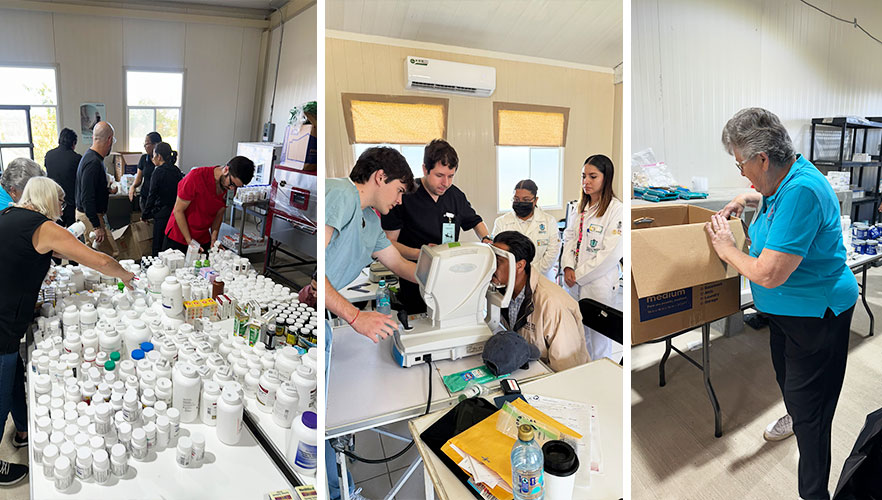
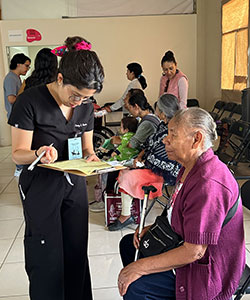 For Victoria Trevino, the experience made the value of collaboration tangible. “I got to learn exactly what each healthcare field does and work with them for one common goal,” she reflected. The experience also challenged students to recognize that effective care may look different in a new environment, a lesson that Trevino summed up in simple but effective words: “New methods are good.”
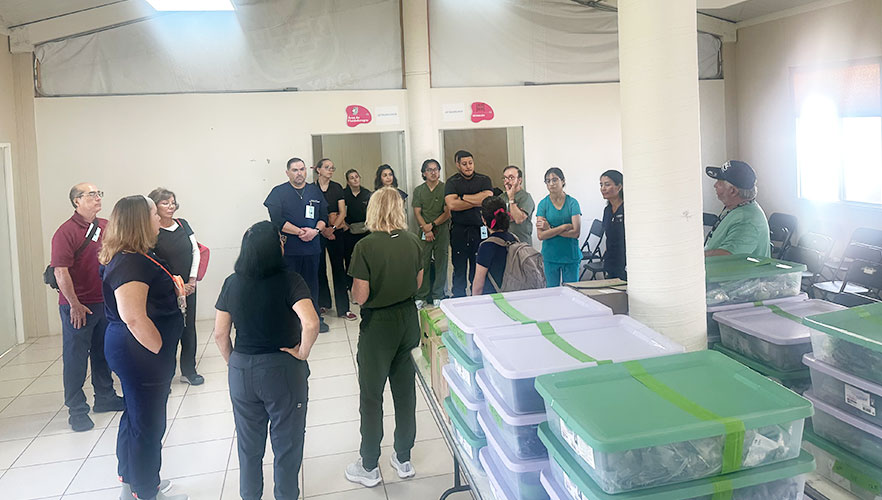
The lessons extended well beyond clinical knowledge. Students encountered differences in language, culture, social norms and available resources, and learned to adjust their expectations and approaches while continuing to provide meaningful care. During the mission debrief, students praised the patience and gratitude of the Oaxaca community and reflected on how closely they were able to connect with patients despite these differences.
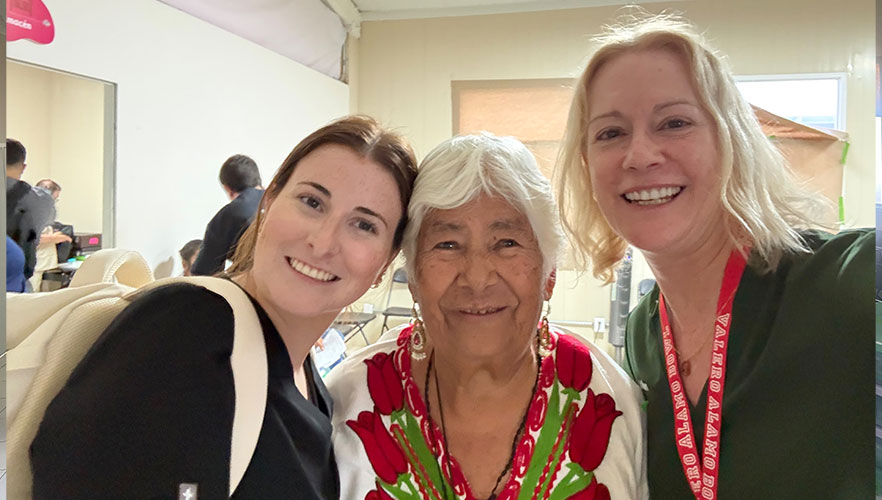
For Caitlin Siekawitch, those human connections became one of the most memorable parts of the experience. “I have been blown away about humans’ ability to connect even if you don’t speak the same language,” she reflected. A smile, a handshake, a hug or simply taking the time to listen are some of the ways that compassionate care transcends language.
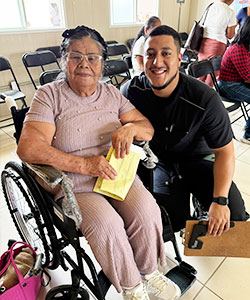 For Jacqueline Guereca, whose parents grew up in rural Durango, Mexico, with limited healthcare access, the experience also carried personal meaning. She was struck by “how grateful the people were and how receptive they were to information about their care.” Students became educators as well as clinicians, sharing information about diabetes, medications, follow-up care, visual acuity evaluations and other health needs. The debrief confirmed how meaningful these educational encounters were, particularly for patients managing chronic conditions.
Perhaps some of the most significant learning came from recognizing what could not be fixed in five days. Students encountered patients whose needs exceeded the resources immediately available and began to understand the realities of access, continuity of care and health disparities. Faculty and students summarized one of the central lessons for future participants as learning to “get comfortable with being uncomfortable.” Serving in this extraordinary context invites students to learn how to remain flexible, culturally aware, compassionate and to accept that not every problem can be solved.
For optometry student Alfredo Santoscoy, the experience ultimately reinforced why he chose a career in healthcare. “It has given me hope,” he reflected, describing the trust patients placed in those caring for them. He returned from Oaxaca with what he called “a renewed sense of purpose.”
From commissioning and professional formation to interprofessional learning and direct patient care, the Oaxaca Medical Mission represents UIW’s Mission in action. Students did more than practice clinical skills. They learned to listen across cultures, collaborate across professions, adapt when resources were limited and recognize the dignity of every person they encountered.
In Oaxaca, compassion became practice, service became learning and students returned home with a deeper understanding of what it means to be a healthcare professional in service to others.