

Contributing to the Moral Fabric of the Nation: UIW Hosts Second Annual Moral Leadership Symposium
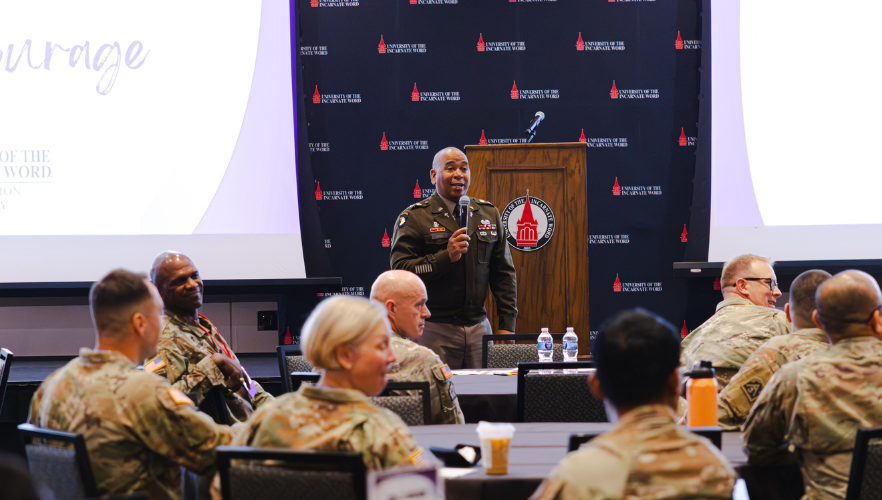
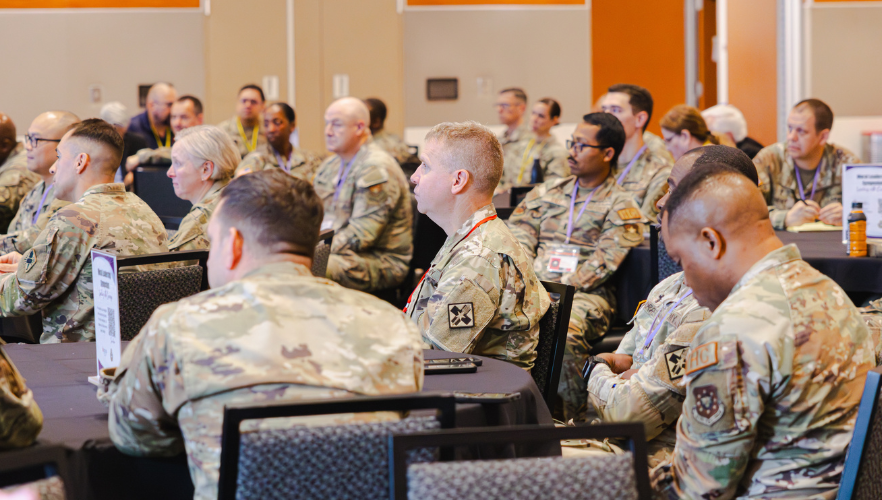
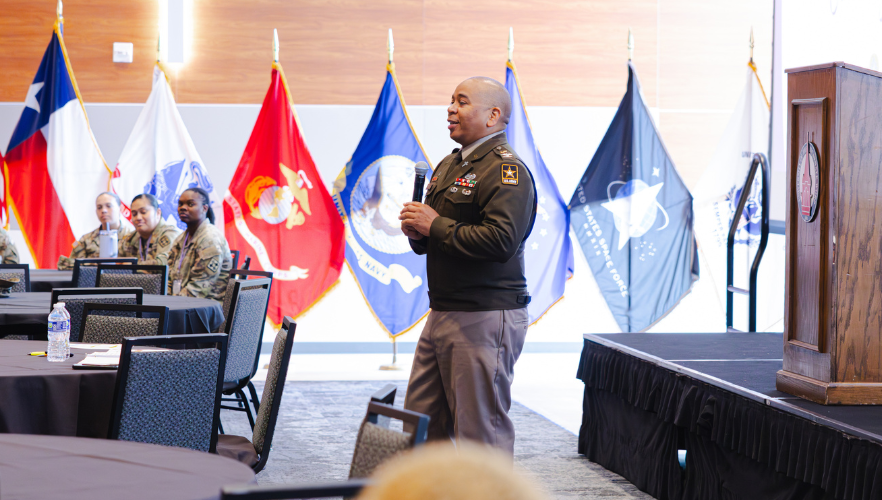
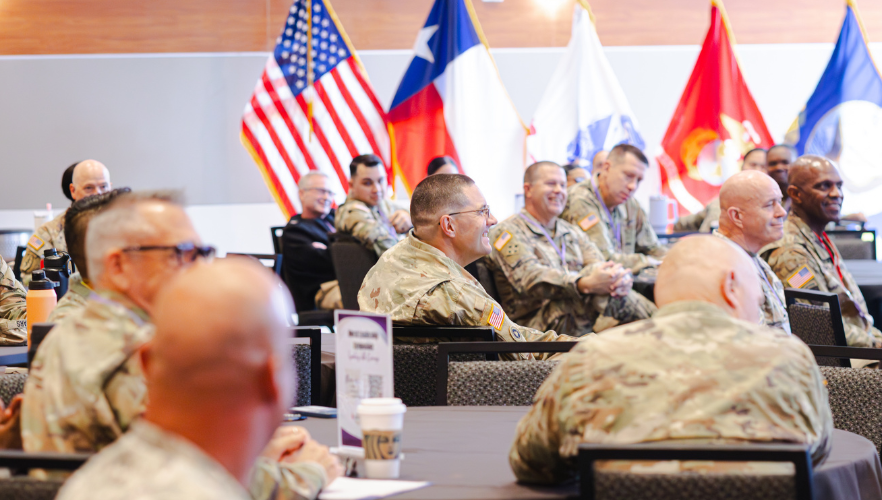
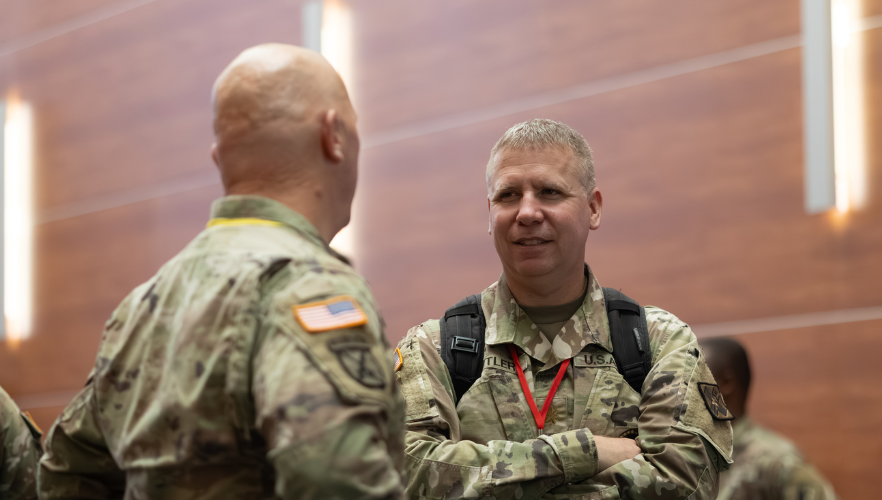
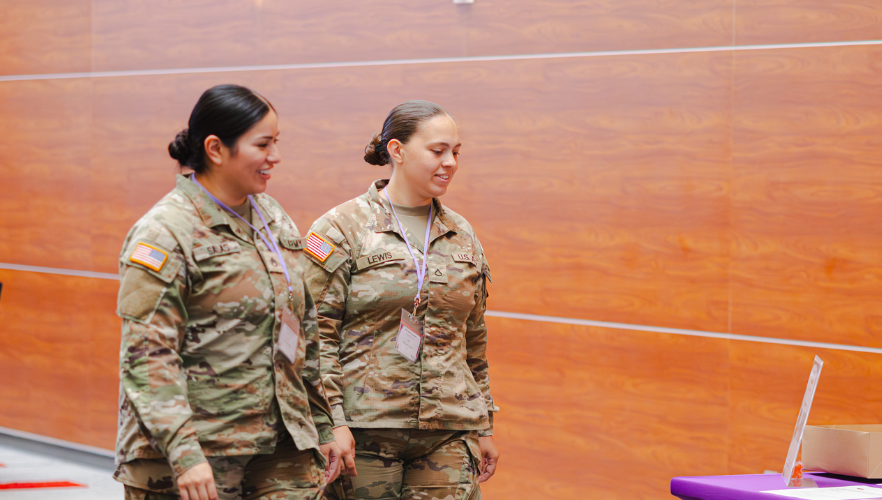
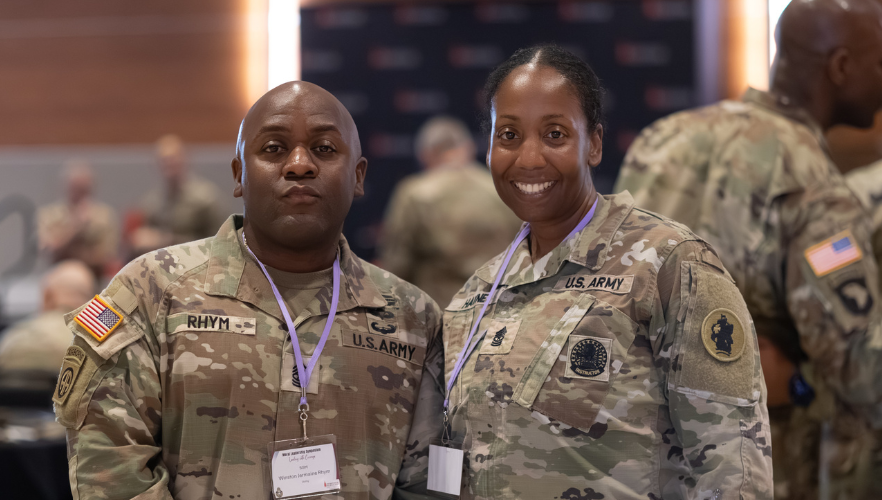
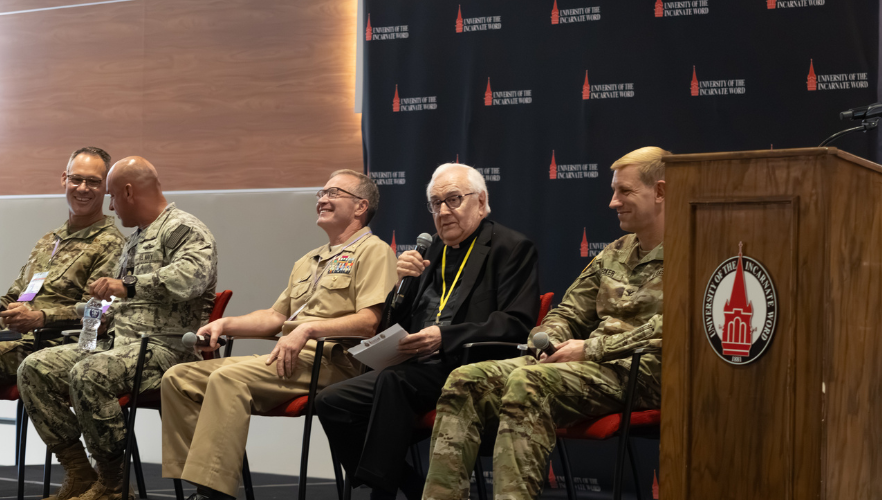
In 2025, the University of the Incarnate Word (UIW) hosted the inaugural Moral Leadership Symposium on the Broadway campus. The event gathered local San Antonio community and service members from the U.S. military’s various branches to initiate conversations surrounding how one can take charge while considering morality.
As a proud San Antonio Military City USA partner, UIW’s Military and Veteran Center supports military-affiliated and veteran students in achieving their educational and professional goals. For three consecutive years, UIW has earned the No. 1 ranking in the country in the “Best for Vets” Military Times list, and recently partnered with the U.S. Army Chaplain Corps, specifically the Unit Ministry Team and the Clinical Pastoral Education (CPE) program at JBSA-Fort Sam Houston.
From Monday, April 13 – Thursday, April 16, UIW was pleased to serve as the host site for the second annual Moral Leadership Symposium.
“I am very proud to welcome our honored guests of the U.S. Army, Army chaplain corps and members of our Armed Forces to the second annual Moral Leadership Symposium,” greeted UIW President, Thomas M. Evans, PhD, at the event’s opening ceremony. “Throughout the next several days, we'll explore what it means to lead, consider the inevitable dilemmas that face leaders of every kind and reflect on the values that shape the highest standards of leadership. I share my gratitude with the many across our University and in the military whose efforts resulted in our gathering here today, and I hope that it just continues on in perpetuity.”
Executive Officer for the U.S. Army Chief of Chaplains office, Chaplain (Colonel) Primitivo Davis, was welcomed back to facilitate the second iteration of this insightful moral leadership training in a symposium format.
Chaplain Davis is no stranger to critical moral implications in his profession. He and his fellow chaplains play a crucial role in aiding our nation’s soldiers’ understanding of the relationship between actions and morality.
When explaining the origins of the symposium, Chaplain Davis referenced AR 165-1 that notes “The CCH exercises responsibility for MLT in the Army” (armyresilience.army.mil). He noted that all echelons of the U.S. Army participate in moral leadership training so that they are better equipped to conduct themselves within the context of ethics.
This symposium offers an environment to engage in moral leadership conversations with both military-affiliated and civilian guests.
“Hundreds of times a day in each of our lives – in the classroom, in the workplace, with our significant others, with our families, in the movie theater – there are all sorts of moral decisions that we make,” noted Chaplain Davis. “Everybody makes moral decisions, and sometimes people don't even realize that those decisions are moral ones. This symposium presents an opportunity to reframe life as a series of moral decisions.”
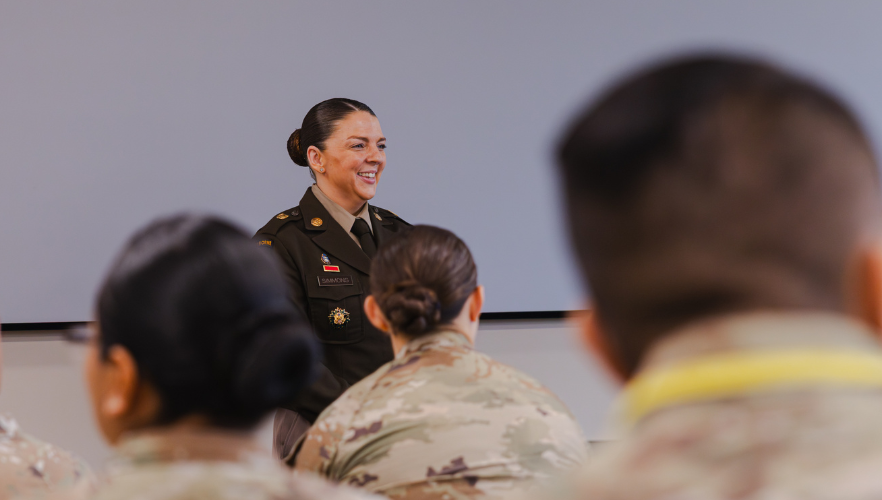
“It’s important to develop today’s soldiers into the leaders you’d want to serve alongside tomorrow, not just within the Chaplain Corps, but across the Army, because the moral character we build now shapes future Commanders, Command Sergeants Major and leaders at every level,” said contributing guest speaker SGM Meaghan B. Simmons, U.S. Army Chaplain Corps and Regimental Sergeant Major.
Chaplain Davis says that although the purpose of the symposium has remained the same, its intended audience has broadened given that these conversations are ones that should be had by people regardless of age, discipline, background, etc. By curating this event, people at different stages of life are able to reflect on the meaning and impact of moral leadership – each contributing their own wisdom and being receptive to the perspectives of others.
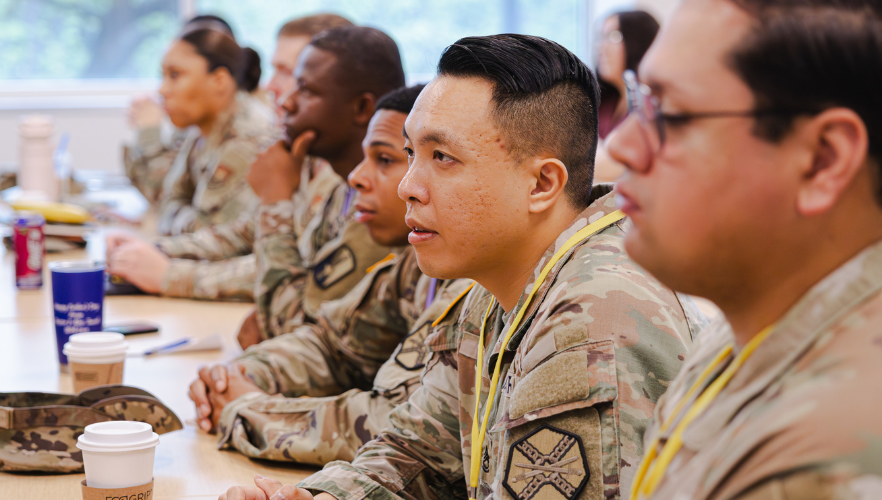
Throughout the week, attendees participated in breakout sessions and conversations exploring various aspects of moral leadership, including building a moral framework for decision-making, voicing moral concerns, holistic approaches to leadership, building trust and transparency, influencing change while maintaining ethical standards and more. With each interchange, attendees gained a deeper and intentional understanding of how to be a moral leader in circumstances varying from big to small.
“If one person who's in that audience says I got something meaningful from this event, that is a success to me,” said Chaplain Davis. “It feels great to bring everyone together because everyone has a contribution to the moral fabric of the nation, old and young, rich and poor, whatever demographic.”
With another successful Moral Leadership Symposium coming to a close, Chaplain Davis reflected on how the event has evolved and considers where it might go in the future. He shared that he hopes that the symposium’s participation continues to grow and that all U.S. army services will one day be event contributors. The more people that are involved and the various knowledge that is offered, the stronger sense of moral leadership one can formulate from both a military and civilian standpoint.
“No matter where you find yourself in life as a student, in the military or what have you, moral leadership is relevant and important for every human being,” shared Chaplain Davis.