
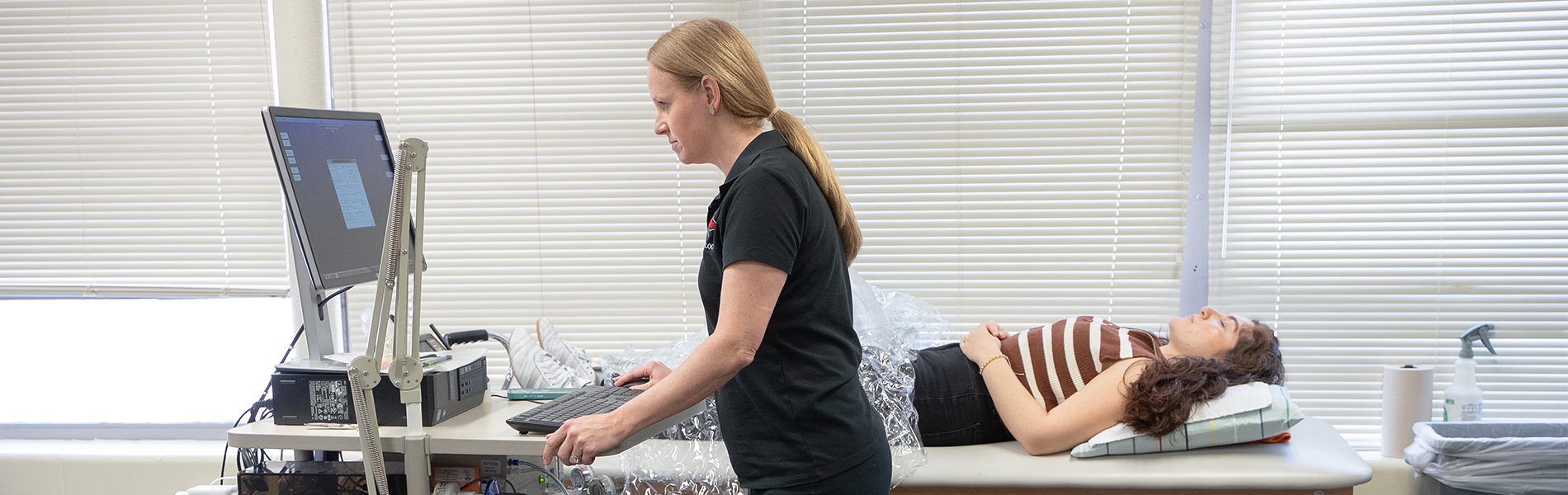

The in-person Master of Science degree in Nutrition at the University of the Incarnate Word (UIW) empowers you to make a meaningful impact on the health and well-being of diverse communities. If you’re ready to engage with real-world nutritional challenges through a mission-driven, evidence-based approach, UIW is the place for you. You’ll gain rich opportunities to collaborate with local communities and advance sustainable nutrition practices that support long-term health and environmental stewardship.

Credit Hours: 30
Curriculum
Core
- Research Methods in Nutrition and Dietetics (2 hours)
- Research Statistics (3 hours)
- Advanced Nutrition I (3 hours)
- Advanced Nutrition II (3 hours)
Electives
- 9 hours must be in Nutrition
- 6 hours can be in Nutrition or other departments
Capstone
- 4 hours completed over two semesters

Admission Requirements
- An earned baccalaureate degree from a college or university recognized by the U.S. Department of Education (USDE).
- Minimum undergraduate overall GPA of 2.5 or better.
- Two letters of recommendation.
Prerequisites
Applicants with non-nutrition degrees may be admitted contingent upon completion of the following prerequisite courses:
- Anatomy and Physiology (4 hours).
- Biological Chemistry for Health Professions (lab not required).
Why a Master's in Nutrition?
The Nutrition M.S. program empowers you to become a leader in nutrition. If you want to help people improve their health through food, earning a master's degree in nutrition provides the skills you need.
Here you will gain the credentials needed for a career in:
- Research
- Wellness
- Food Service Management
- Public Health Nutrition
- And More
This program will complement careers in:
- Nursing
- Community Health Education
- Kinesiology
- Culinary Arts
- And More
You can also complete the ACEND-accredited Didactic Program in Dietetics while in the M.S. Nutrition program, which is the first step in preparing you for a career as a Registered Dietitian Nutritionist (RDN). To learn more about this exciting opportunity, go to the UIW Didactic Program in Dietetics.
"One of the things I valued most about the UIW Nutrition Graduate Program was the close-knit community between students and faculty. The professors were approachable, supportive, and truly cared about helping us grow, not only academically but also professionally and personally. That mentorship and encouragement helped me gain confidence, strengthen my foundation in nutrition, and feel prepared for the next steps in my career."
- Savanna Rojas, December 2025 MS Nutrition Graduate, December 2024 DPD Graduate
Mission Statement
The Mission of the University of the Incarnate Word Nutrition Program is to prepare professionals committed to providing nutrition and dietetic services to improve the health and well-being of individuals and groups. 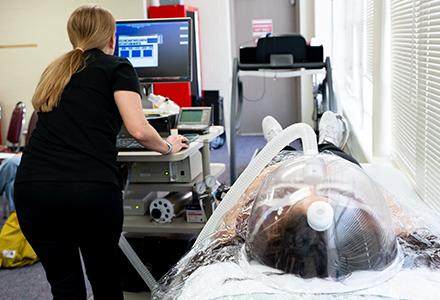
The program emphasizes the importance of scientific and evidence-based practice, ethical decision-making and the understanding of social justice issues, including the regional and global ecological dimensions of food and nutrition.
The Graduate Nutrition Program engages students in learning, research and discovery, and service to address human needs by promoting nutrition for well-being across the lifespan of individuals, families and communities while embracing evidence and ethical-values-based decision-making.
Frequently Asked Questions (FAQ)
What program options are available in the MS in Nutrition?
The MS in Nutrition offers:
- Didactic Program in Dietetics (DPD) Option
- Supervised Practice Experience Program (SPE)/ Dietetic Internship (DI)
These options may be completed independently or, for some students, in combination, depending on eligibility and acceptance. Students can also complete the master’s degree without the DPD or DI option.
What is the DPD Option?
The DPD Option includes coursework aligned with the Didactic Program in Dietetics (DPD) requirements. This option is designed for students who plan to pursue the Registered Dietitian Nutritionist (RDN) credential.
Who should choose the DPD Option?
This option is appropriate for students who:
- Intend to become Registered Dietitian Nutritionists
- Need DPD-aligned coursework at the graduate level
- Plan to complete a Dietetic Internship (DI)/Supervised Practice Experience (SPE) following or alongside the degree
MS + DPD Option
This option is for individuals interested in becoming an RDN who have not completed a DPD. You should first contact the DPD Director to see which classes you need to fulfill DPD requirements. Some graduate courses count towards the DPD. The DPD is completed separately from the M.S. degree.
Visit the UIW Didactic Program in Dietetics webpage for more information on the program.
UIW’s DPD program is accredited by the Accreditation Council for Education in Nutrition and Dietetics (ACEND), 120 South Riverside Plaza, Suite 2190, Chicago, Illinois 60606-6995. Phone: (800) 877-1600, ext. 5400
Does the MS in Nutrition include a Supervised Practice Experience Program (SPE)/Dietetic Internship (DI) option?
Yes. The program offers a Dietetic Internship (DI) program, which meets the Supervised Practice Experience (SPE) requirements of ACEND. This option requires a separate competitive application and acceptance process.
How does the Supervised Practice Experience Program (SPE)/Dietetic Internship (DI) fit into the MS degree?
Students who are accepted into the SPE/DI may apply internship coursework (6 credit hours) toward their nutrition elective requirements, allowing the supervised practice experience to count toward degree completion.
Does this MS program meet the requirements to become a Registered Dietitian Nutritionist (RDN)?
The MS in Nutrition with the DPD Option, combined with:
- Completion of a Supervised Practice Experience (SPE) Program/Dietetic Internship (DI).
- Passing the national RDN exam meets the educational requirements to become a Registered Dietitian Nutritionist.
Students who complete all required DPD coursework and program requirements are issued a DPD Verification Statement.
Can students complete the MS, DPD coursework and SPE/DI through this program?
Some students may complete:
- The MS degree
- DPD coursework
- If accepted, the SPE/DI
Academic advising is essential to determine eligibility and sequencing.
Can students without a bachelor’s degree in nutrition apply?
Yes. Depending on academic background and the option selected, students may need to complete prerequisite coursework, particularly for the DPD option.
Can I switch options after being admitted?
Option changes may be possible, but depend on:
- Coursework completed
- Eligibility for DPD or SPE/DI requirements
- Program capacity and advising approval
Students should consult with an academic advisor as early as possible.
What is a capstone experience?
A capstone is a culminating academic experience that allows students to apply nutrition knowledge to real-world challenges through applied projects, program development, evaluation or professional practice activities.
Do students completing a Supervised Practice Experience (SPE)/Dietetic Internship (DI) also complete a capstone?
Students in the SPE/DI Program pathway follow accreditation-driven curricula. Their culminating requirements may differ from the traditional capstone and align with supervised practice standards.
What careers can you pursue with a Master of Science in Nutrition Sciences?
- Research scientist
- Clinical research coordinator
- Public health nutritionist
- Food scientist/product developer
- Health and wellness educator
- Regulatory affairs specialist
- Science communicator
- Corporate wellness coordinator
- Academic instructor/lecturer
What careers can future dietitians pursue?
Graduates who complete DPD coursework and a Supervised Practice Experience (SPE)/Dietetic Internship (DI) Program can pursue any of the roles above, as well as the following roles:
- Registered Dietitian Nutritionists
- Clinical, community or public health dietitians
- Foodservice managers or directors
- Outpatient dietitian
- Pediatric dietitian
- Sports dietitian
- Eating disorder dietitian
- Private practice dietitian
- Oncology dietitian
- Director of food and nutrition services
Will I receive guidance in choosing and progressing through options?
Yes. Students receive individualized academic advising to:
- Understand program options and requirements
- Plan coursework and supervised practice
- Navigate RDN credentialing pathways